Your whole farm operation in one system

Field work, input control, pest and disease control, harvest records, and traceability — connected so you protect yield and margin every cycle.

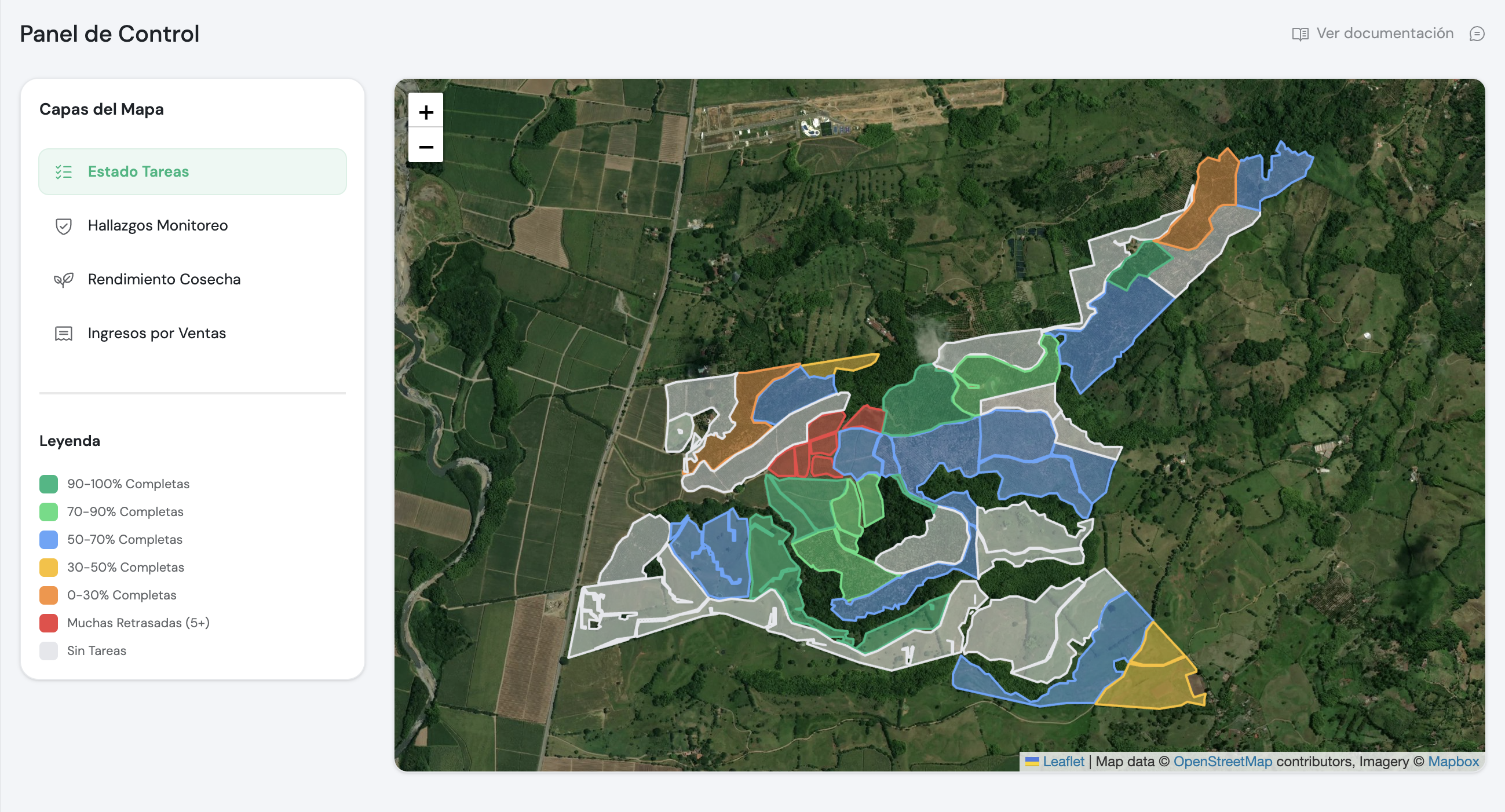
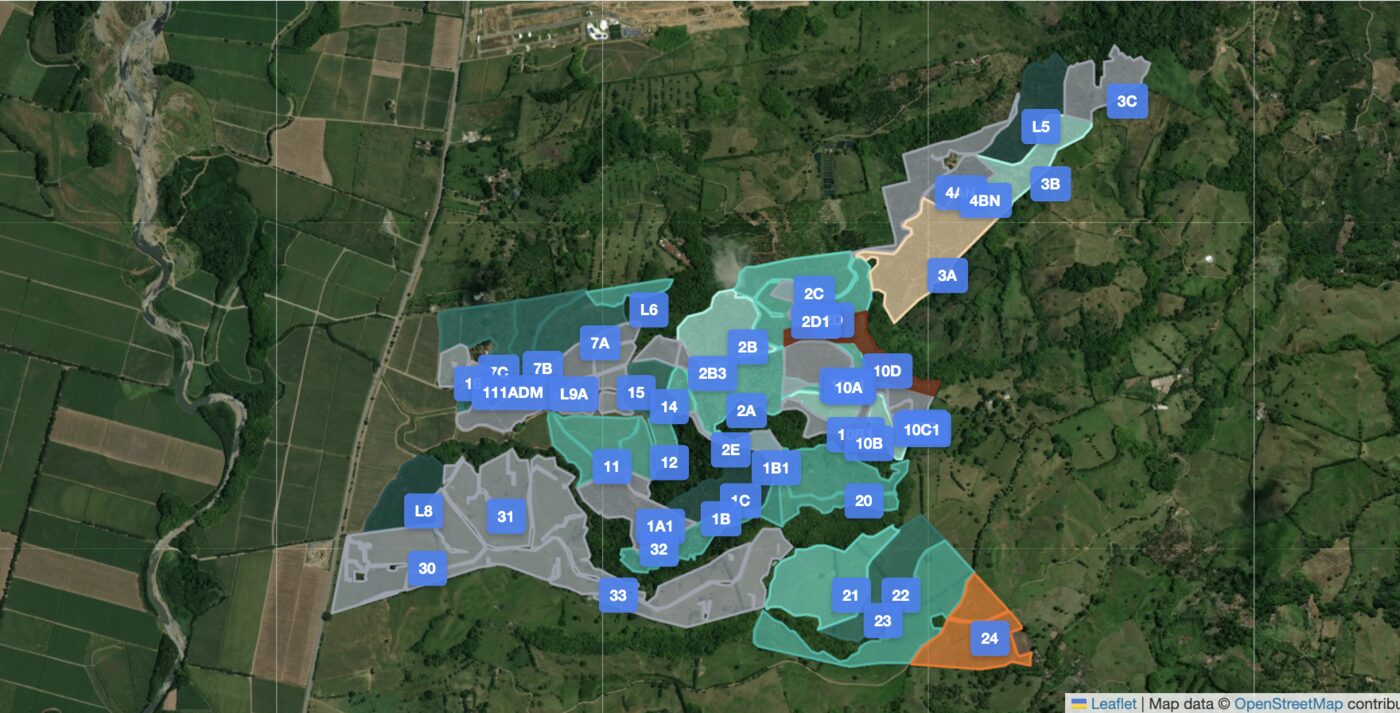
arloagro.com / estate-map
Arlo estate map with lot boundaries and monitoring layers

Real operations running on Arlo

12
real farms
2,913
hectares mapped
533k+
inspection datapoints
4.37M+ kg
harvest recorded
The control problem 05 friction points

When the operation lives in WhatsApp, spreadsheets, and notebooks, decisions get made blind

As the season runs, information scatters across chats, spreadsheets, and notebooks. You end up deciding blind — and that costs the farm yield, margin, and time every cycle.

What lands from the field today Entry 01 / 05
J
Jorge
Foreman · East crew · 14 people

Boss, lot 3 is done ✅

8:42
What still isn't clear

How many crew? Which task exactly? Full coverage? Photo?

Is this what "verified" looks like?

Field verification today is a text message. No photo, no GPS, no count — just trust. Across a season, that trust costs kg, labor, and margin.

Unverified Before Arlo
02 / 05

Inputs without a trail

Purchases and consumption don't reconcile at cycle close.

Lives in Excel · Warehouse
03 / 05

Reactive sanitation

Pests and disease get attention only after the lot is damaged.

Lives in The agronomist's head
04 / 05

Crews without evidence

You pay crews and contractors without knowing what shipped.

Lives in WhatsApp · Loose receipts
05 / 05

Fragmented operation

Five separate systems. No single view of the operation.

Lives in All of the above
What this is costing you 03 · pressure

Every operational gap turns into kg, dollars, and hours lost over the season

Arlo sanitation report with health score, alerts, and inspection filters pressure · 01 / 03

Harvest that doesn't hit plan

Pest and disease pressure caught late means lots with fewer kg, regrowth that costs twice to treat, and quality that drops at the moment of sale.

Yield kg lost per cycle
Arlo field cycles table for planning and verifying recurring work pressure · 02 / 03

Labor paid without measurement

Crews and contractors bill for work without evidence of coverage, productivity, or real cost per hectare — and the gap surfaces only when there's no way back.

Labor cost unverified payments
Arlo supply exits table with lot and field task usage records pressure · 03 / 03

Inputs purchased above need

Without lot- and task-level traceability, costly inputs get over-ordered, misapplied, or lost in storage — and that hits cycle margin every time.

Margin kg of input not applied
How Arlo closes the loop
Your farm's operating system 05 · Workflow

Run the estate through one operational control loop

Five connected workflows covering Arlo's six operational modules: field execution, supplies, sanitation, custom forms, harvest, and statements. Each one closes a part of the cycle and feeds the next.

Field execution

  • Plan field cycles by lot, crop, crew, and date.
  • Assign tasks to supervisors, employees, or contractors.
  • Verify progress, real cost, and photos with GPS-linked records.

field work assigned without verification and contractors paid without evidence.

arloagro.com / field-cycle-calendar
Arlo field cycle planning screen

Supply control

  • Manage supplier purchases and weighted average costs.
  • Track warehouse inventory by supply and presentation.
  • Record field usage by lot, task, and contractor.

inputs purchased, stored, and consumed without traceability.

arloagro.com / supply-example
Arlo supply usage records by lot and task

Pest and disease control

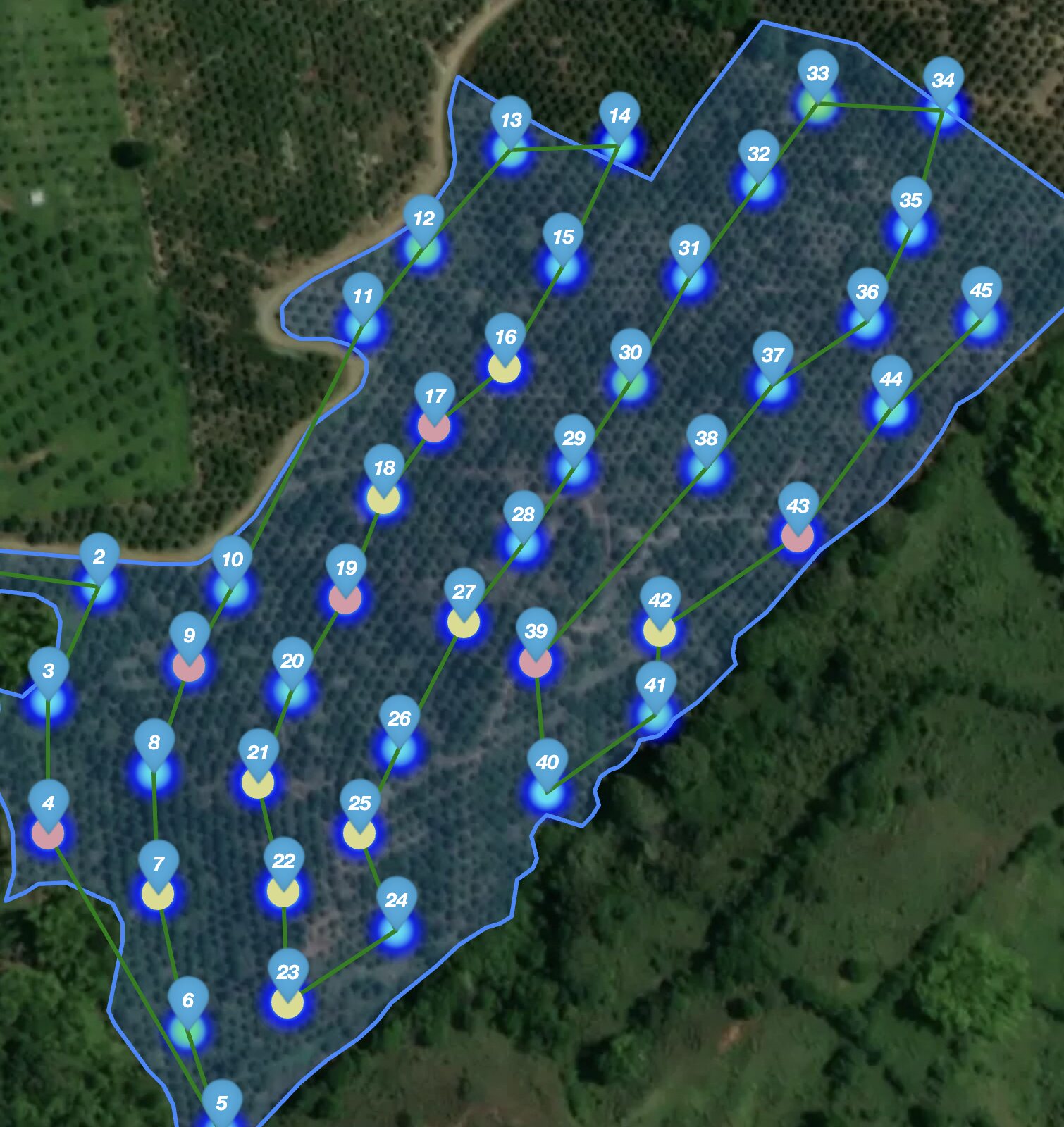
  • Run scouting routes with tree and sample data.
  • Capture GPS, photos, alerts, and lot-level history.
  • Analyze incidence, coverage, and evolution across the season.

pest and disease control that happens inconsistently or gets reported late.

arloagro.com / sanitation-route
Arlo sanitation analytics for pest and disease monitoring

Custom forms

  • Build forms for farm-specific workflows.
  • Standardize repeatable field and office records.
  • Keep custom processes inside the same operating system.

farm-specific records living in notebooks, chats, and loose sheets.

arloagro.com / custom-forms
Custom form

Post-harvest inspection

Live
Lot
12 · North
Date
Mar 15 · 14:28
Supervisor
M. Ramírez
Overall lot condition

Harvest complete. Some branches broken by wind on the night of the 13th. Lot drainage with no issues.

Boxes harvested
247 boxes
Location
4.711, -74.072
±2 m
Evidence
3 photos
Submitted · 14:32
Synced

Harvest and statements

  • Capture harvest entries by lot, vehicle, weight, and shipment.
  • Issue sales statements directly from harvest entries.
  • Track delivered volume, grade, and revenue by buyer.

harvest, shipments, and sales scattered across separate systems.

arloagro.com / statement-example
Arlo sales statements view by buyer, lot, and harvest entry
Operation · loop

The loop closes and starts again

Every harvest feeds the next plan. Cost, sanitation and yield from the previous cycle become the data behind better decisions.

Who Arlo is built for

Built for farms with recurring field work, pest and disease control, and year-round input applications

If you work multiple lots with crews in the field, run pest and disease control through the year, and apply inputs regularly, Arlo fits — wherever you operate.

It fits when your farm

  • Has multiple lots in production at the same time.
  • Works with in-house crews, supervisors, or hired contractors.
  • Manages pest and disease control as part of daily field work.
  • Applies fertilizer, fungicide, and other inputs throughout the year.

Crops Arlo runs on today

11 crops
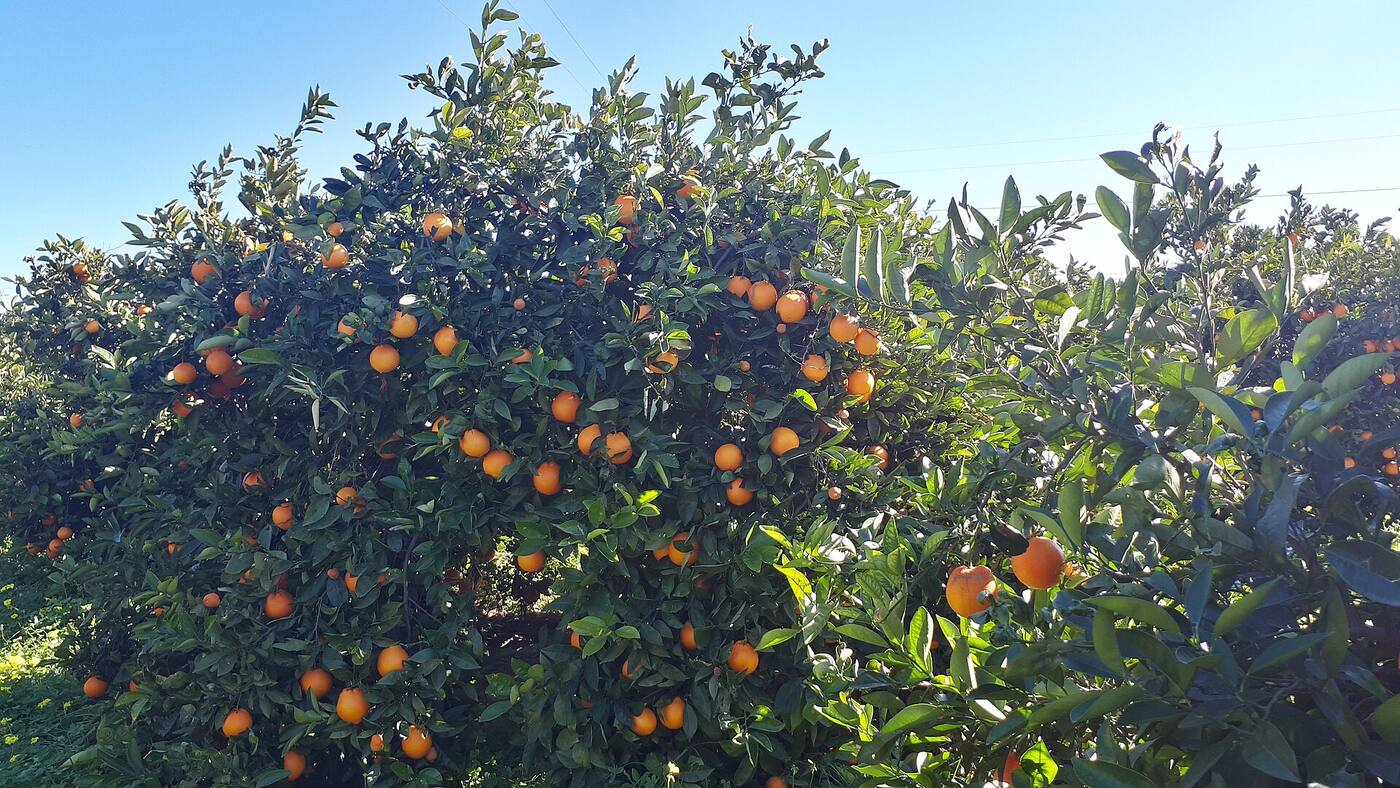
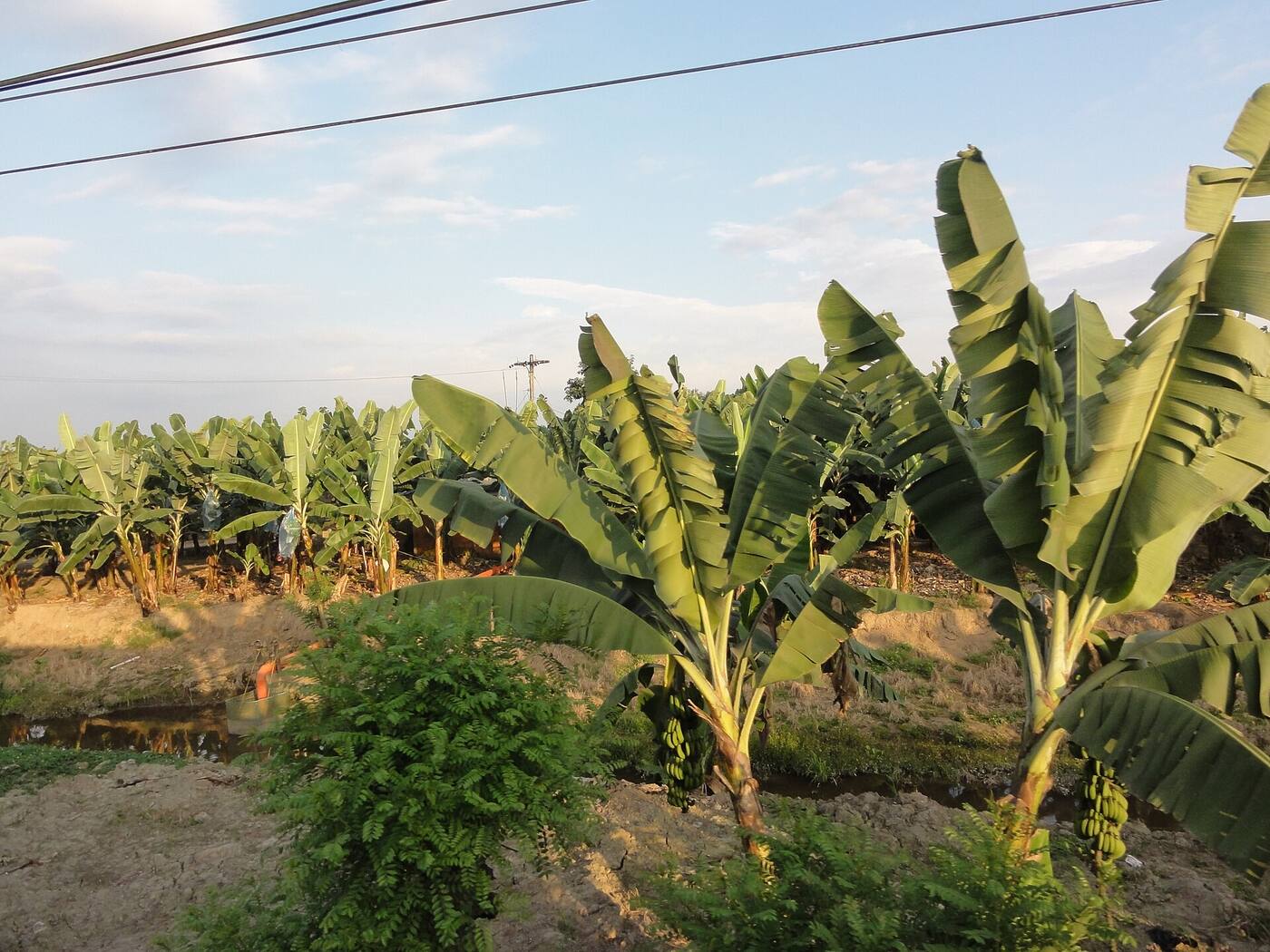
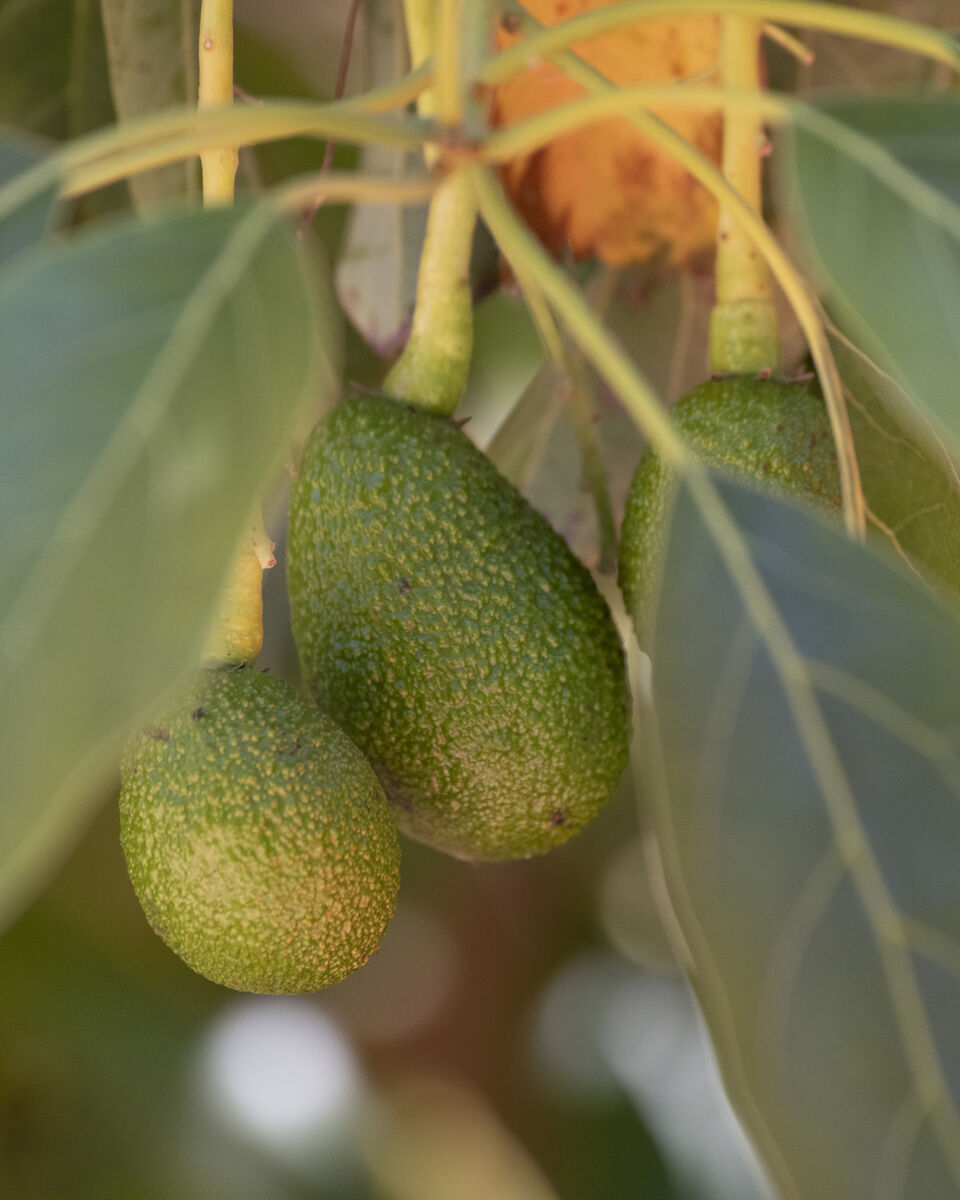
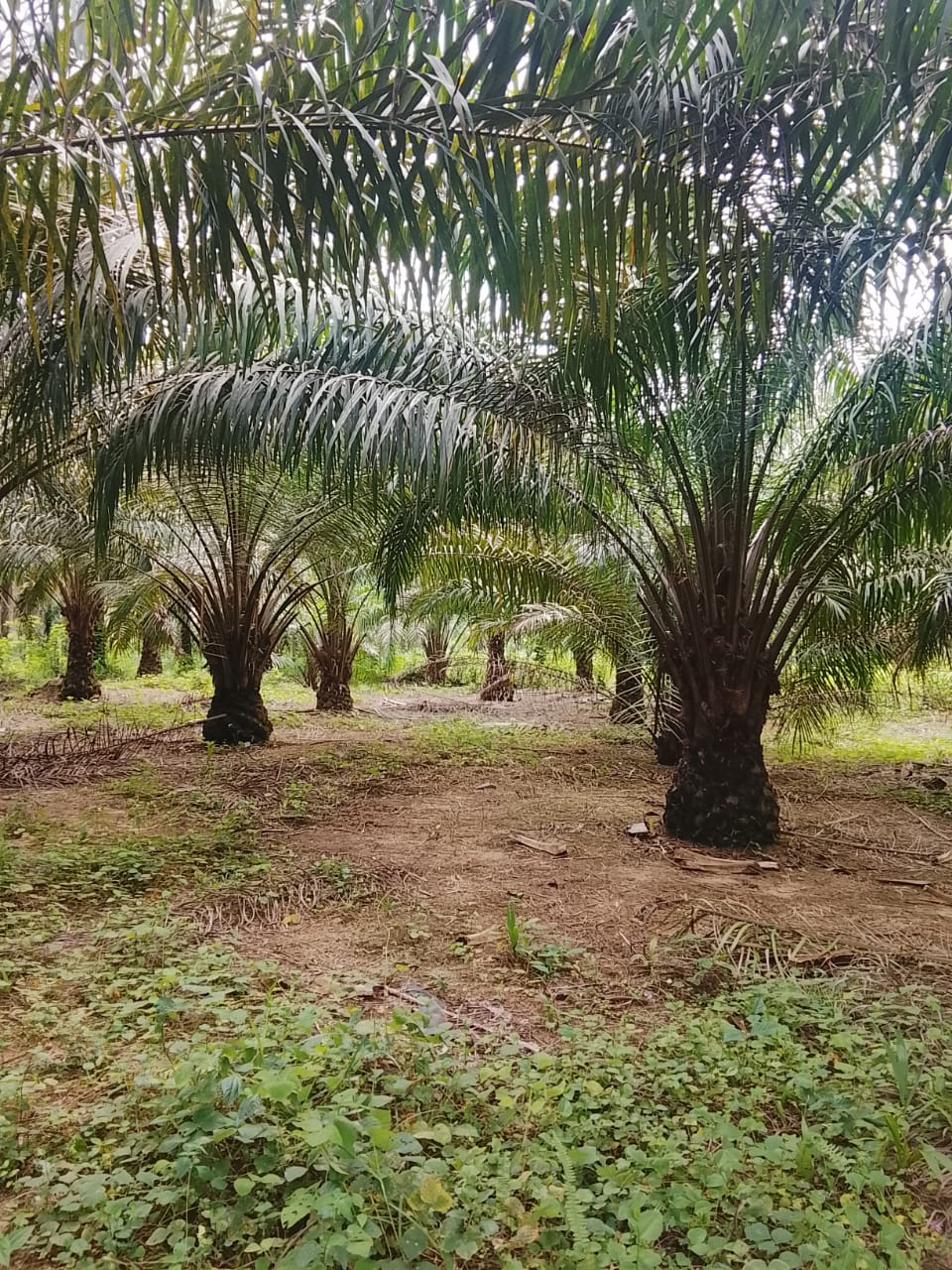
Citrus Avocado Oil palm Banana and plantain Table grapes Berries Coffee Cacao Tree nuts Olives Apples, pears, cherries, and stone fruit

It doesn't fit when your farm

  • Grows mostly annual grains like corn, soy, or wheat with no recurring field work.
  • Is a single small lot running without crews or contractors.
  • Only needs accounting or invoicing software, not a system to run the field.
By the numbers May 2026

Farms already using Arlo and seeing results.

And activity keeps growing every week.

May 2026
4.37M+ kg
of harvest recorded in Arlo to date
01
12
farms running their day-to-day on Arlo
citrus, avocado, oil palm and more
02
197
lots under management
03
2,913
hectares in production
04
533k+
pest and disease samples monitored
05
6,024
supply exits recorded
What operations say 01 / 01 · 2026
Jorge Gomez

Jorge Gomez

Farm Manager

Verified customer

Arlo changed how we manage plant health. Sanitation data, GPS-tracked inspections, and supply records give us a clearer view of what is happening in the field.

20 minutes · no commitment

See if Arlo fits your operation

In 20 minutes, we'll review your crops, hectares, lots, crews, pest and disease control, and supply workflows to see whether Arlo fits.

Everything you need to know about our plans. 12 questions

Frequently Asked Questions

What counts as a farm?
A farm is one estate or operating site with its own lots, teams, reports, and configuration. If you manage several estates, each one is set up as its own farm. Multi-estate groups can qualify for volume pricing.
How does hectare-based farm-size pricing work?
Arlo is priced per farm, and each farm is placed into a size band based on cultivated hectares: Starter under 50 ha, Growth from 50-250 ha, Estate from 250-1,000 ha, and Plantation for 1,000+ ha or highly complex operations. You do not pay per user, and you are not billed for every individual hectare beyond the tier.
What is the difference between Core and Smart?
Core includes the full operations platform: crop scouting, harvest, field tasks, supplies, sales statements, custom forms, alerts, and exports. Smart includes everything in Core plus the intelligence layer: AI assistant, yield forecasting, anomaly detection, smart scheduling, and weekly auto-insights.
Are users really unlimited?
Yes. Every plan includes unlimited users, so owners, admins, supervisors, monitors, contractors, seasonal crews, office staff, and sales operators can work in Arlo without per-seat fees.
Which farms are the best fit for Arlo?
Arlo is built for technified perennial-crop and cannabis operations such as citrus, avocado, oil palm, coffee, berries, table grapes, cannabis, and similar farms that need recurring inspections, labor planning, inventory control, harvest tracking, post-harvest controls, and operational reporting.
Does Arlo support cannabis post-harvest workflows?
Yes. Arlo includes a cannabis-specific post-harvest workflow for tracking batches, containers, gross/tare/net weights, quality inspection, drying rooms or dryers, manicuring, classification, primary packaging, and QA release into compliant or non-compliant stock.
Can field teams work offline?
Yes. Crop scouting routes are designed for offline field collection, including GPS datapoints, photos, structured forms, and route progress. Teams can collect data in the field and sync when they reconnect.
What is included in onboarding and setup?
Setup starts with configuring the farm, lots, timezone, currency, users, and the modules you plan to use first. Smaller farms can start with guided setup, while larger or more complex operations may use a demo, pilot, or concierge onboarding process.
Can I import existing farm data or lot maps?
Yes. Lots can be created manually or uploaded with GeoJSON files in WGS 84 / EPSG:4326 format. Operational data can also be moved into Arlo through supported imports, templates, or guided setup depending on the module and data quality.
What reports and exports are included?
Arlo includes XLSX, PDF, and CSV-style exports across modules: crop scouting reports, field cycle summaries, contractor PDFs, supply inventory and movement reports, harvest planned vs. actual reports, and sales statements/remisiones.
Who owns my farm data, and how does AI use it?
Your farm data stays tied to your farm. AI analysis is generated from your own operational records, such as crop scouting, field tasks, harvest, supplies, alerts, and configured thresholds. It is meant to summarize patterns and support decisions, not replace an agronomist or farm manager.
Do you offer annual billing or multi-estate discounts?
Yes. Annual plans are discounted compared with monthly billing. Multi-estate groups can qualify for volume discounts, and very large or complex operations can use custom portfolio pricing.